
The rule you can rely on
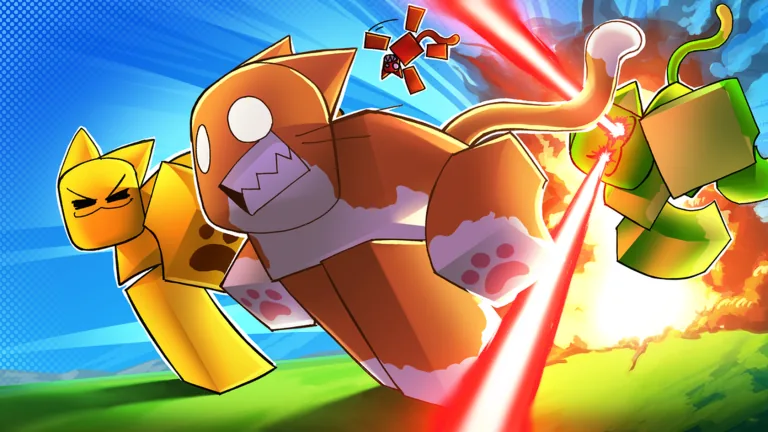
Meow Madness is a cat-themed tag game built around two opposing objectives. The official Roblox description says a Runner should outrun Taggers until the game ends. A Tagger should tag every Runner until none remain. Everything else about a round should be read from the current game screen before you turn it into a fixed rule.
That distinction matters. A Runner can make a good escape decision even without knowing the exact round timer. A Tagger can choose a better target even without knowing the exact contact box. The basic objective guides your actions; the live interface settles the details that change between modes or updates.
Read the state of the round
When a match begins, identify your role and locate the other side. Then watch what the screen displays as players are tagged or survive. If you are unsure whether a contact counted, check the visible status change rather than assuming that proximity alone was enough.
| Round question | Confirmed answer | What to check in the live game |
|---|---|---|
| Who is trying to survive? | Runners | The assigned role and current player status. |
| Who is trying to catch everyone? | Taggers | The assigned role and remaining Runner display. |
| Does a tag convert a Runner? | The official description does not say | The rule text and the tagged player’s next state. |
| How long is a round? | No official duration is given | The timer or end condition shown for that mode. |
| Does every contact register? | No public hitbox value is given | The game’s actual tag feedback. |
This is also why a video of one match cannot settle every mode. Player commentary has mentioned freezing, lives, and role changes, but automatic captions can mishear terms. Treat the current mode label and on-screen feedback as the final check.
What a tag changes for your next decision
For a Runner, the immediate task is to avoid contact while maintaining a route away from Taggers. Look for a new path before the current one closes. If the game shows multiple Taggers or a reduced Runner count, adjust how often you scan around you. The exact player count can shift during a round, so a memorized opening route is only a starting point.
For a Tagger, each successful tag should lead to a new scan. Do not keep chasing the same player if the game has already changed their status. Find the remaining Runner who is realistically reachable. If other Taggers are present, avoid having everyone follow one target while others move freely.
The official experience has a server capacity of up to 16 players, but that number is not a match-size promise. Do not infer a minimum start count or a fixed team split from the maximum capacity. Check the active lobby and round interface for the players in your session.
Test a disputed mechanic cleanly
If a rule feels unclear, repeat one simple observation. First, read the mode or round instructions. Second, note your role before the contact. Third, watch the tag feedback and the role or life display afterward. Finally, compare that with a second round in the same mode. This avoids turning a laggy moment, a short clip, or a different mode into an incorrect general rule.
Use the Runner and Tagger guides for decisions within each role. This page is the rule map: it explains what the official description guarantees and how to resolve the rest while you play.
FAQ
What is the main Meow Madness tag mechanic?
Runners avoid Taggers until the game ends, while Taggers try to tag every Runner. Those are the confirmed opposing objectives.
Does a tagged Runner become a Tagger?
The official description does not establish that rule. Check the current mode instructions and the player’s status after a tag.
Is there a fixed tag distance?
No exact distance is published in the official description. Use the current game’s contact feedback and avoid treating a video frame as a measurement.
Are all rounds played the same way?
Check the mode and rule text shown in your session. The official description names the core roles but does not provide a complete rulebook for every round type.